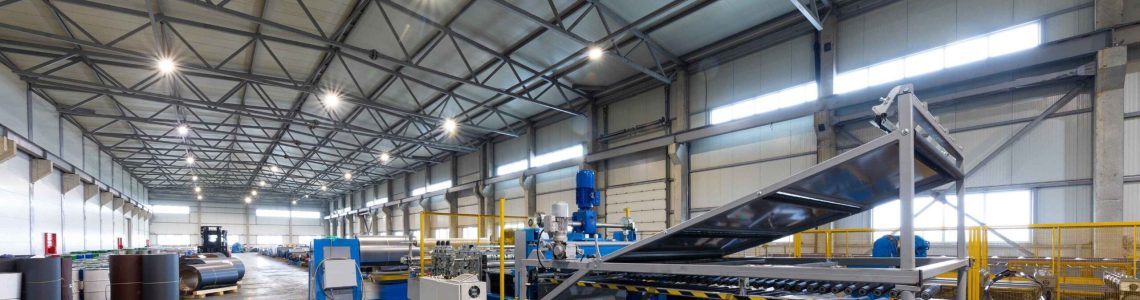
How to Sell a Factory in Thailand
A Complete Guide for Factory Owners
Thailand is known as one of Southeast Asia’s leading manufacturing hubs, with businesses operating in industries such as automotive parts, electronics, plastics, food processing, metal fabrication, packaging materials, and many others.
At the same time, many factory owners are considering selling their businesses for reasons such as:
- Planning for retirement
- Having no successor to continue the business
- Restructuring business operations
- Raising capital for a new investment
- Transferring the company to a larger organization
However, many owners have questions such as:
- Can a factory be sold?
- How are land, buildings, and machinery valued?
- Can I find a buyer?
- Can a factory operating at a loss still be sold?
In this article, we explain the key points you should know when selling a factory in Thailand.
1. How Much Can a Factory Be Sold For?
The selling price of a factory is not determined solely by the value of the land and buildings.
Buyers evaluate a factory based on:
“How much profit can this factory generate in the future?”
The main factors that influence value include:
Location
The factory’s location is extremely important.
For example:
- Ayutthaya
- Chonburi
- Rayong
- Samut Prakan
- Prachinburi
Factories located near major industrial estates are often more attractive to buyers.
Access to logistics and labor availability are also important considerations.
Land and Buildings
Buyers typically evaluate:
- Land size
- Factory building size
- Warehouse space
- Office space
Production Equipment
The condition and capability of manufacturing equipment and production lines significantly affect value.
Customer Base
Long-term relationships with existing customers can be a valuable asset.
2. What Are Buyers Looking For?
Companies and investors purchasing factories are primarily interested in whether the business can continue operating successfully.
Key factors they review include:
Revenue History
Sales performance over the past several years.
Profitability
Profit margins and cash flow.
Production Capacity
How much the factory can currently produce using existing equipment.
Customer Diversification
Whether the business is overly dependent on a single customer.
Employees
Whether experienced employees are likely to remain after the sale.
Licenses and Permits
Whether all required factory permits and operating licenses are in place.
3. What Is a Factory’s Most Valuable Asset?
Many owners believe that:
“The land and machinery are the most valuable assets.”
While these are certainly important, buyers are often equally interested in:
- Existing customers
- Manufacturing know-how
- Skilled employees
- Supplier and distribution networks
For example, long-term contracts with major corporations can significantly increase a factory’s value.
4. Can a Loss-Making Factory Still Be Sold?
Yes. Some buyers may be interested because they want:
- The land
- The equipment
- The customer base
- The factory licenses
A factory does not necessarily become unsellable simply because it is currently operating at a loss.
5. What Should You Prepare Before Selling?
Financial Data
Organize information such as:
- Revenue
- Profit
- Operating expenses
Customer Information
Prepare a summary of major customers and the length of each business relationship.
Equipment List
Include information such as:
- Machine name
- Manufacturer
- Year purchased
- Quantity
Photos
Prepare professional photos of:
- Factory exterior
- Production lines
- Warehouse facilities
- Office areas
6. Equipment Condition Is a Major Valuation Factor
In manufacturing businesses, equipment is critical.
Buyers typically review:
- Equipment condition
- Maintenance records
- Breakdown history
- Expected replacement schedules
Well-documented maintenance records can significantly improve buyer confidence.
7. Employees Are Also Valuable Assets
People are essential to factory operations.
Key personnel often include:
- Factory managers
- Production supervisors
- Quality control staff
- Skilled machine operators
Buyers may place considerable importance on whether these employees are willing to remain after the transaction.
8. Tips for Selling a Factory at a Higher Price
Keep the Facility Organized
First impressions matter during inspections and site visits.
Maintain Equipment
Repair malfunctioning machinery before listing the business for sale.
Prepare Financial Records
Transparent financial information increases buyer confidence.
Organize Customer Information
Clearly identify major customers and business relationships.
Set a Realistic Asking Price
Overpricing can discourage potential buyers.
9. Different Ways to Sell a Factory
There are several ways to structure a factory sale.
Business Asset Sale
Selling the business operations and equipment.
Share Sale
Selling ownership of the company itself.
Real Estate Sale
Selling only the land and buildings.
The best option depends on the owner’s objectives and circumstances.
10. How to Find Buyers
In the past, factory sales often relied on personal connections or referrals.
Today, online business-for-sale platforms allow owners to reach a much larger audience of investors and buyers directly.
The more exposure your business receives, the greater the chance of a successful sale.
11. Benefits of Using Bizkaakai
Bizkaakai is a business-for-sale marketplace in Thailand.
In addition to factories, the platform features businesses such as:
- Logistics companies
- Warehouses
- Retail businesses
- Restaurants
- Hotels
and many others.
Listing your factory on Bizkaakai allows you to connect directly with qualified buyers and investors looking for business opportunities in Thailand.
12. Factory Sale Checklist
Before listing your factory for sale, make sure you have completed the following:
✓ Organized sales and revenue data
✓ Prepared financial statements
✓ Organized customer information
✓ Created a complete equipment inventory
✓ Prepared photographs of the facility
✓ Verified licenses and permits
✓ Organized employee information
✓ Determined your target selling price
13. Conclusion
When selling a factory, it is important to organize and clearly present information regarding:
- Location
- Land and buildings
- Equipment
- Customer base
- Employees
- Financial performance
Buyers are not simply purchasing a factory; they are evaluating how much value the business can generate in the future.
By preparing your business properly, you can significantly increase your chances of achieving a successful sale.
Start by organizing your factory’s information and making it visible to as many potential buyers as possible.
Looking to Sell Your Factory?
List your factory on Bizkaakai and connect with potential buyers today.
[List Your Factory on Bizkaakai]
Bizkaakai Market Insights (As of June 2026)
According to Bizkaakai’s data from the past three years, factory listings represent a smaller portion of the marketplace compared to small business categories such as restaurants, cafés, and massage shops.
However, factory listings have characteristics that differ significantly from most other business-for-sale categories.
Factory businesses often include a wide range of assets and operational resources, such as:
- Land
- Factory buildings
- Production machinery and equipment
- Existing customers
- Employees
- Business licenses and permits
As a result, factory transactions tend to involve larger business values and more complex considerations than many small business sales.
Buyers interested in factory businesses are often looking beyond physical assets. They may also place significant value on:
- Existing customer relationships
- Manufacturing know-how
- Experienced employees
- Established supply chains and business networks
Bizkaakai’s marketplace data suggests that successful factory sales are typically driven not only by the value of land and equipment, but also by the factory’s ability to continue generating business value in the future.
For this reason, factory owners considering a sale are encouraged to prepare not only equipment inventories, but also information regarding customers, production capabilities, operational systems, and workforce structure.
Data source: Bizkaakai internal listing data (June 2023 – June 2026)
Line: @bizkaakai
Email: support@bizkaakai.com